Frequently Asked Questions: Punta Cana Real Estate
If you’re considering buying property in Punta Cana or Bávaro, these are the most common questions international buyers ask—answered clearly and simply. This FAQ is designed to help you understand the buying process, legal basics, costs, financing, and lifestyle factors before you make a decision.
Can foreigners buy property in the Dominican Republic?
Yes. Foreigners can buy property in the Dominican Republic with the same ownership rights as Dominican citizens. You can purchase in your own name or through a company, depending on your goals and legal advice.
Do I need residency to buy real estate in Punta Cana?
No. You do not need Dominican residency to buy property. Most international buyers purchase using a passport and standard due diligence documentation handled by their lawyer.
What are the steps to buy property in Punta Cana?
In most cases, the process includes: (1) reservation and deposit, (2) signing a purchase promise/contract, (3) due diligence and document review by a lawyer, (4) payments according to the schedule, and (5) final closing and title transfer once the property is paid and ready for delivery (or immediately for resales).
Is it safe to buy property in Punta Cana?
Yes—when you buy correctly. The key is using an experienced real estate professional and an independent real estate lawyer to verify the title, confirm the legal status of the project, and ensure contracts match what you’re buying and when you’ll receive it.
Why is Punta Cana popular for real estate investment?
Punta Cana is one of the Dominican Republic’s strongest markets due to tourism demand, expanding infrastructure, international communities, and a wide selection of new developments. Many investors also focus on rental potential and lifestyle value (vacation use + income).
What are typical closing costs when buying real estate in the Dominican Republic?
Closing costs vary by property type and transaction (new development vs resale), but buyers typically budget for legal fees, due diligence, and applicable government/registry costs. Your lawyer should provide a full estimate before signing final documents.
What is the 3% title transfer tax and when does it apply?
In many resale transactions, a 3% title transfer tax may apply based on the government’s assessed value. Some projects with approved incentives may be exempt from this tax—always confirm your specific case with your lawyer and developer documentation.
What is CONFOTUR and how does it affect buyers?
CONFOTUR is a Dominican tourism incentive program that can provide tax benefits for eligible properties in approved tourism zones. Benefits often relate to property taxes and title transfer costs, but details depend on the project’s approval and your final contract—verify with official project documentation.
Can I finance a property in Punta Cana?
Some buyers use developer payment plans during construction, while others finance through private lending or banks depending on eligibility and documentation. Financing availability and terms vary widely—most buyers begin by selecting the property and payment structure that fits their timeline and risk comfort.
Are payment plans common in new developments?
Yes. Many new projects offer staged payments such as reservation, contract signing, construction installments, and final payment at delivery. Always ensure the schedule is written into the contract and matches the project delivery timeline.
What is the difference between a resale property and a pre-construction purchase?
A resale property is typically delivered immediately (or close to immediate), while pre-construction purchases are bought during development with a staged payment plan. Pre-construction may offer lower entry pricing and flexible payments, while resale may offer faster use and clearer short-term cash flow.
How do I verify the title and legal status before buying?
Use an independent real estate lawyer to confirm the title, ownership history, liens/encumbrances, project permits (for new developments), and that the contract terms match the legal reality. This due diligence is essential—especially for investment purchases.
Can I rent out my property short-term (Airbnb-style)?
Many owners rent short-term in Punta Cana, but it depends on the community rules, HOA policies, and the building’s regulations. Before buying, confirm rental rules in writing (especially if short-term rentals are a key part of your investment plan).
Do condos usually have HOA fees and what do they cover?
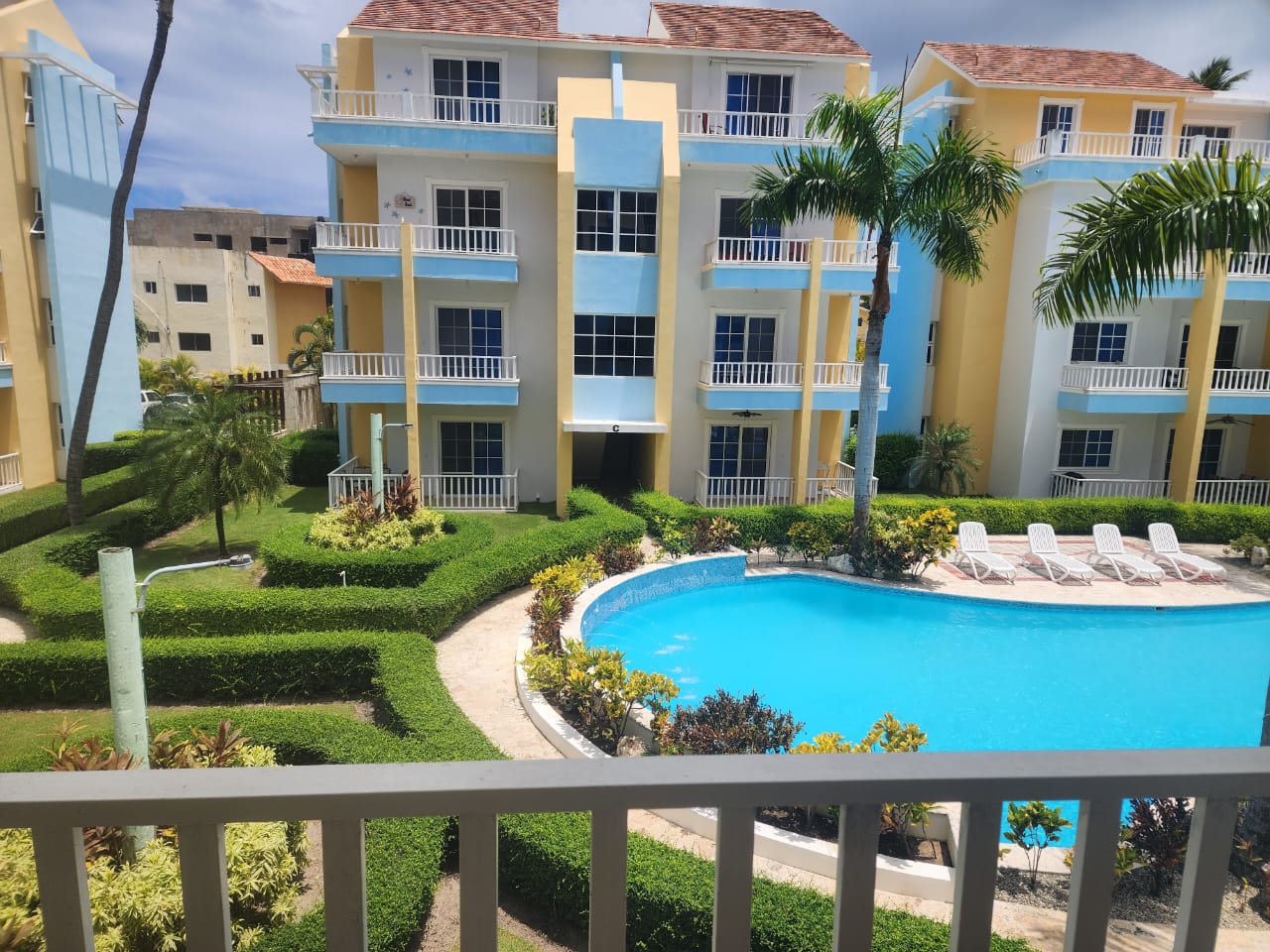
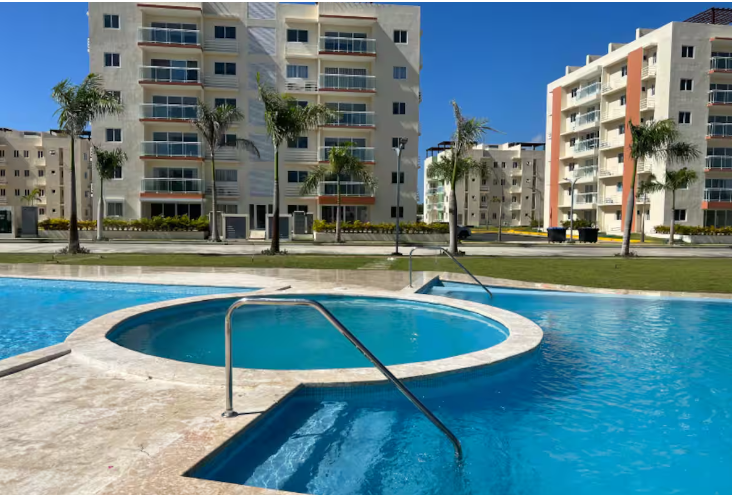
Yes, most condos and gated communities have HOA/maintenance fees. These often cover common areas, security, landscaping, pools, building maintenance, and shared services. Always request the current fee amount and what is included before committing.
Which areas in Punta Cana are most popular to buy in?
It depends on your goals. Some buyers prioritize walkability and amenities, others focus on beach proximity, rental demand, or quiet residential living. A smart approach is to shortlist 2–3 areas that match your lifestyle and investment strategy, then compare projects side by side.
Should I buy furnished or unfurnished?
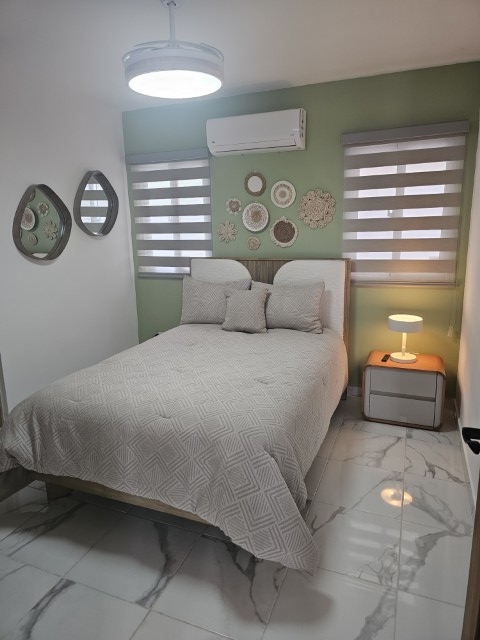
If you plan to rent short-term or want immediate usability, furnished options can be convenient. If you want to personalize finishes or are buying long-term residential, unfurnished may be better. Always confirm exactly what “furnished” includes in writing (appliances, AC units, furniture list).
What documents do I typically need to purchase as a foreigner?
Requirements vary by transaction type, but commonly include a valid passport and basic personal information. For financing or certain compliance checks, additional documentation may be required. Your lawyer will confirm requirements based on your exact purchase.
How long does the buying process take?
Resales can close faster depending on title readiness and documentation. New developments follow the project timeline plus your payment schedule. A realistic approach is to confirm (1) contract signing dates, (2) construction timeline, and (3) delivery conditions in writing before committing.
What should I avoid when buying real estate in Punta Cana?
Avoid buying without independent legal review, relying on verbal promises, unclear payment schedules, missing documentation, or projects without verifiable permits and timelines. Strong due diligence and clear contracts protect your investment.
Is buying property in Punta Cana a good option for relocation or retirement?
For many people, yes. Punta Cana offers a warm climate, growing infrastructure, international services, and lifestyle convenience in key areas. The best fit depends on your preferred neighborhood style (quiet residential vs resort zone), access to services, and long-term plans.
Last updated: January 2026
Need help choosing the right area or property type?
If you’re planning a purchase, start with one or two target locations and a clear goal (lifestyle, rental income, or a mix of both). You can also explore popular areas like El Cortecito and compare projects based on delivery date, HOA rules, and rental potential.